

The United States Education System is something that I’ve heard people mention several times throughout my young adult years. I wanted to evaluate my own experience with education growing up, and research why our country’s education system is considered “broken”. I’ve read and watched a few interesting topics. I think there are many factors that play in the development and growth of society and not just our education alone.
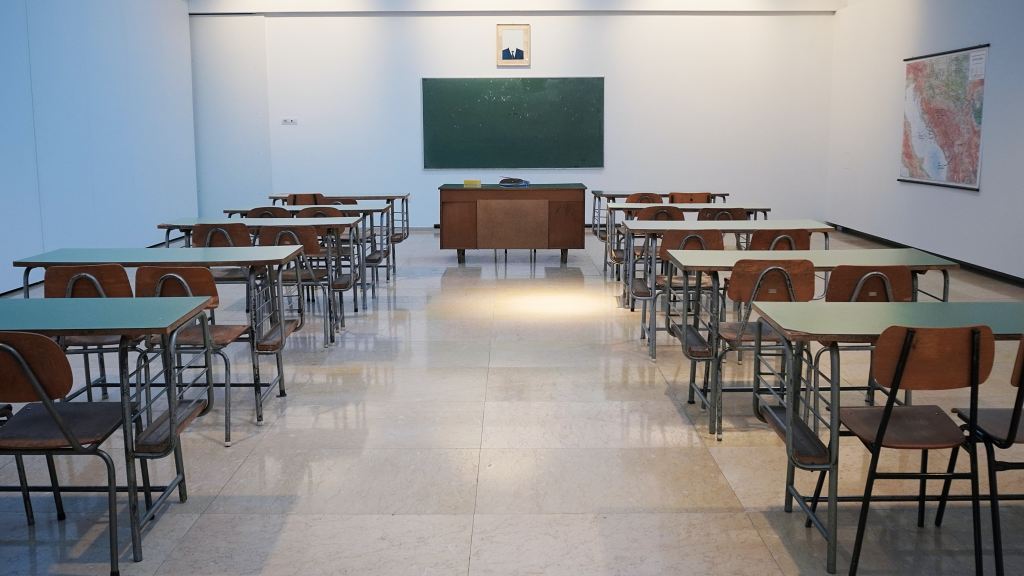
Photo by Ivan Aleksic
- My Experience
I didn’t care for education, it wasn’t as fun as consuming entertainment.
Born in the late 90s, I grew up going to grade school through the 2000s and finished by the mid-2010s. The 2000s were the start of the technological boom that we are still experiencing today. Computers were starting to show up in everyone’s house, cell phones were created and constantly changing. Apple with the iPod, Microsoft with the Xbox, Sony with the Playstation, and many more!
When I look back, our culture was beginning to become a much more consumerist nation than ever before, especially with the amazing technological world the average person can jump into. As a kid growing up in these times, it was so enjoyable and the amount of entertainment you could consume was on a whole new level. My problem, I felt like school was the main thing getting in the way of me enjoying my time, with all these virtual worlds I can get lost in, it was euphoric and very addicting.
I enjoyed some parts of school, but only the moments when I could socialize with friends or make memories at school events. Even through my teenage years, my education always took a back seat in my priorities. It really sucks, because I had lost my opportunity for a better education when I was a kid, all because I was so obsessed with the new tech entertainment.
Through my experience, it’s hard for me to point at anyone else to blame but myself, but ultimately I think it was the culture I grew up in. How I reacted was just how it happened. So now I can decide to learn and grow from that.
- Origin of the modern US public school
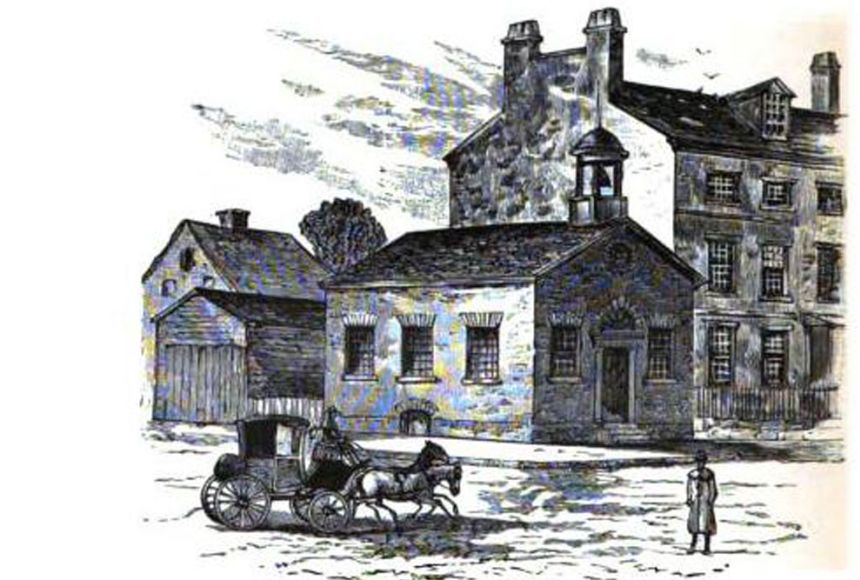
Photo By National Geographic
Is our public school system out of date? Do we need to rethink how we should be teaching the modern generations?
For us to examine what is considered wrong with our ED system, we should look at the very beginnings. The first recorded school for what would become the U.S. was in 1635 in Boston, Massachusets, teaching the first generations of Americans. Back in 1837, the first board of education was established by a man known as “the father of American education”, Horace Mann. He would continue to become the first-ever secretary of education and played a key role in developing the statewide school system.
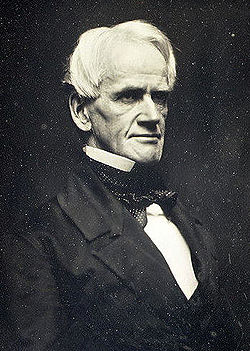
Horace Mann
Photo by Wikipedia
So we see that the school system was created back in the 1800s, and not much has changed other than minor changes to curriculums. There have been many mentions of how our system is very outdated with the times. Back in the 1800s, it was the main priority to produce workers for factories and supply the necessary cogs for the industrial machine. Times are definitely different now. More and more jobs in the modern economy require skills in creativity, tech, and adaptability.
I’d say this comes from my own experience in school, where it’s not a big deal if we don’t thrive in our education, as long as we continue to pass through the next grades and know how to follow orders and become responsible, we can obtain average to low paid income. And our habits dictate how likely we will have opportunities for promotions, up until we bring home a more comfortable income. This is how I’ve experienced my past jobs, and how many Americans live today.
- Teachers and Staff
Plain and simple, teachers, schools, and their staff are not well paid and this shows how important we view our education as a nation.
I’ve heard this one quite a bit, how teachers are not paid well at all for the kind of work that they do. I think this is a great example of how much we care for our education system as a country. Fewer and fewer people are going into the field of teaching and more and more of them are leaving the field. It’s a scary thing to read about and process mentally. Where is this going to lead us as a nation? As I’ll talk about later; private schools will be able to teach high-quality skills for the future, while lower-income communities will continue to get a low-quality education, resulting in staying in the lower class of society.
- Common Core
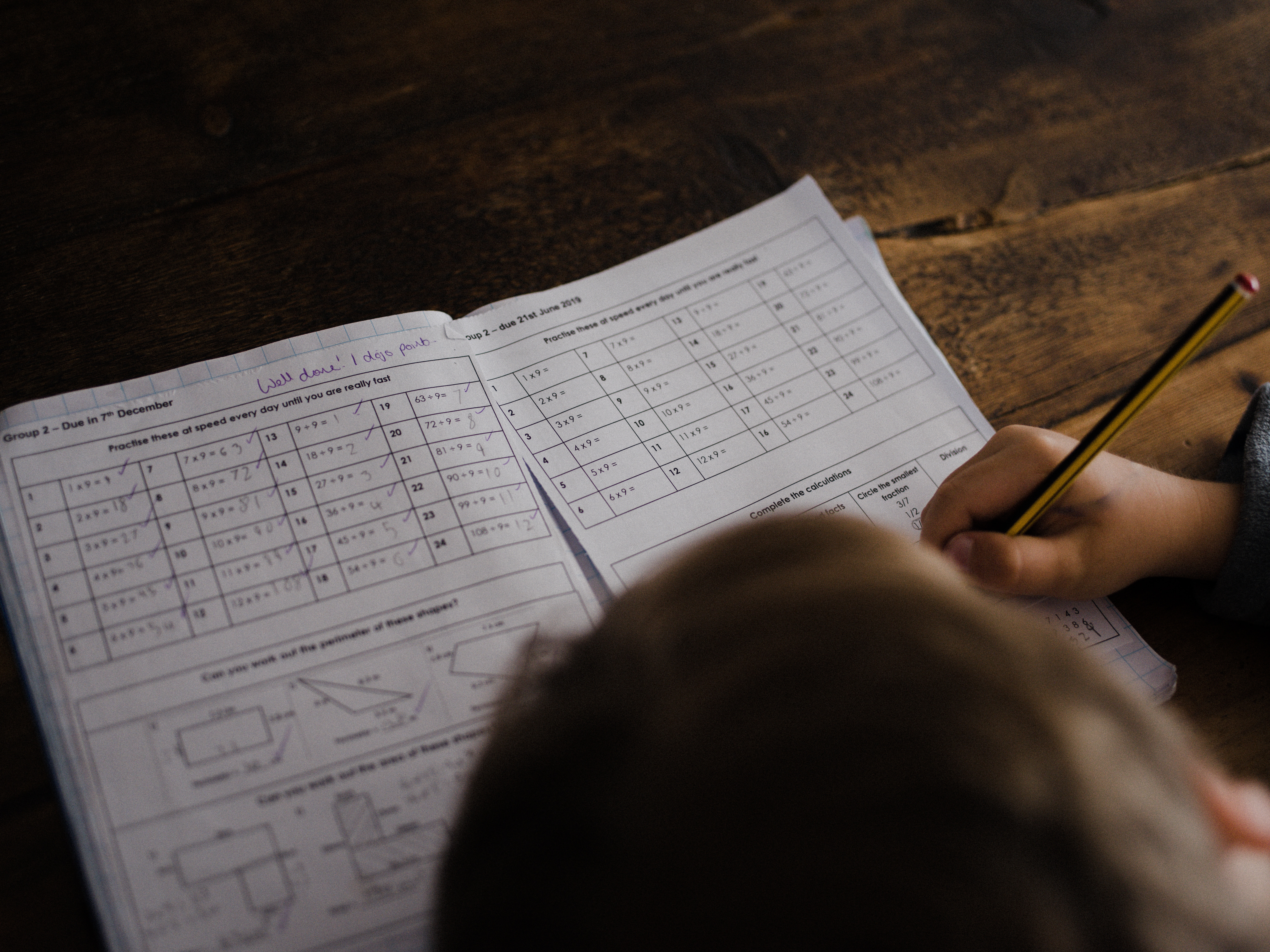
Photo by Annie Spratt
Another controversial issue that occurred recently, was the Common Core State Standards Initiative, which was put into place by the newly established No Child Left Behind Act in 2002. Common Core was launched in 2009. The federal government offered $1.35 Billion dollars in grants to schools willing to implement the Common Core Standards into their curriculum. The new initiative’s goal was to raise education standards in states, due to international competition, mainly by making students take standardized tests. This is where a lot of students started shoving the required information for testing and then forgetting everything once they were done. They then rinse and repeat for each test.
There were also a lot of changes to school curriculums. How problem-solving in math was done, and the kinds of books literature classes provided are a couple examples. A lot of parents were seeing their kids bring home homework that they themselves didn’t understand. Math in particular was vastly different and it was difficult for both the parents and students to comprehend. Students were required to know a certain set of standards by each school year, but unfortunately, a lot of kids learn differently and at a different pace than their peers.
With many students not being able to follow through on expected test scores, states weren’t getting the funding that they were hoping to receive. Another issue was the press of Common Core. Apparently, it became very politicized and a lot of parents were very wary of it. 20 of the original 40+ states dropped the Common Core completely, or revised and relabeled the curriculum. This all to say, after years of observations, there was no dramatic impact, either negative or positive.
But I’d say it was a great opportunity to learn what worked and what doesn’t. Many schools have altered their curriculums, originally following the Common Core Standards.
- Privatization in Schools
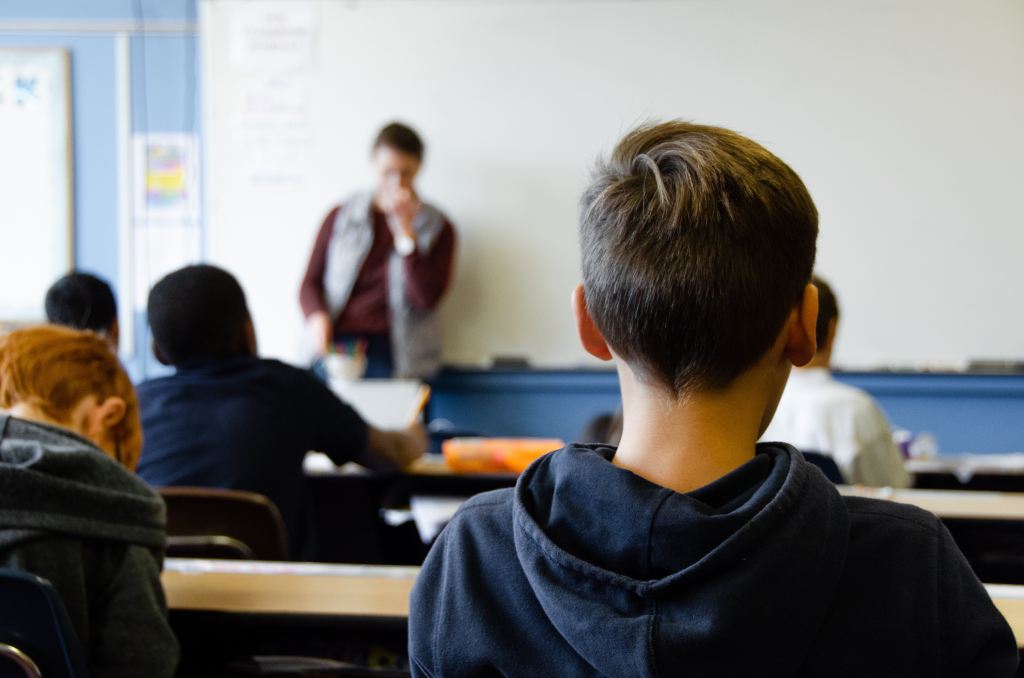
Photo by Taylor Flowe
When I think about how people could get a better education, I come to the simple conclusion that they could simply pay for a better school and resulting in a “higher” education.
Viewing society, we look at the overall masses of people and the education they are able to obtain. This is how America gets the reputation of not having a “good” education because the majority of the people go to public schools that are government funded. The Department of Education says that only 9% of kids in America go to private schools.
Private schools are a great alternative if the child’s family has the appropriate funds to get enrolled. These much better-funded schools are able to pay teachers better, include more updated curriculums, use more modern technology, and most importantly; teachers will be able to have more engagements with each student.
I’d say the main possible issue with this story is as history progresses, more people will be pushed down into poverty while only a small percentage will have better opportunities for higher levels of education. Possibly in the future, the majority of kids will be attending schools that aren’t well funded, don’t draw much attention due to not having high-grade averages, and are always pushed under the priority lists of politicians. As long as these schools are able to produce average people capable of becoming another cog in the industrial, capitalist nation of America.
- Do We Value Education?
Photo by Annie Spratt
I understand that I barely touch on many points about our education. There are people that spend their whole lives and careers studying this stuff. Social sciences are constantly changing, so it’s always a field needing people to invest their time in. I only hope my writing inspires us to question ourselves and the society we live in. What do we really care about in life? Is education important to us? Do we value education? How could it be different? Would different be better?
To some degree, basic education; being able to write, read, create art, and do simple math, is an aspect of our lives we all take for granted. Many millions of people around the world don’t have access to a quality of life we deem “basic” nowadays. Education in America is still a privilege we all have.
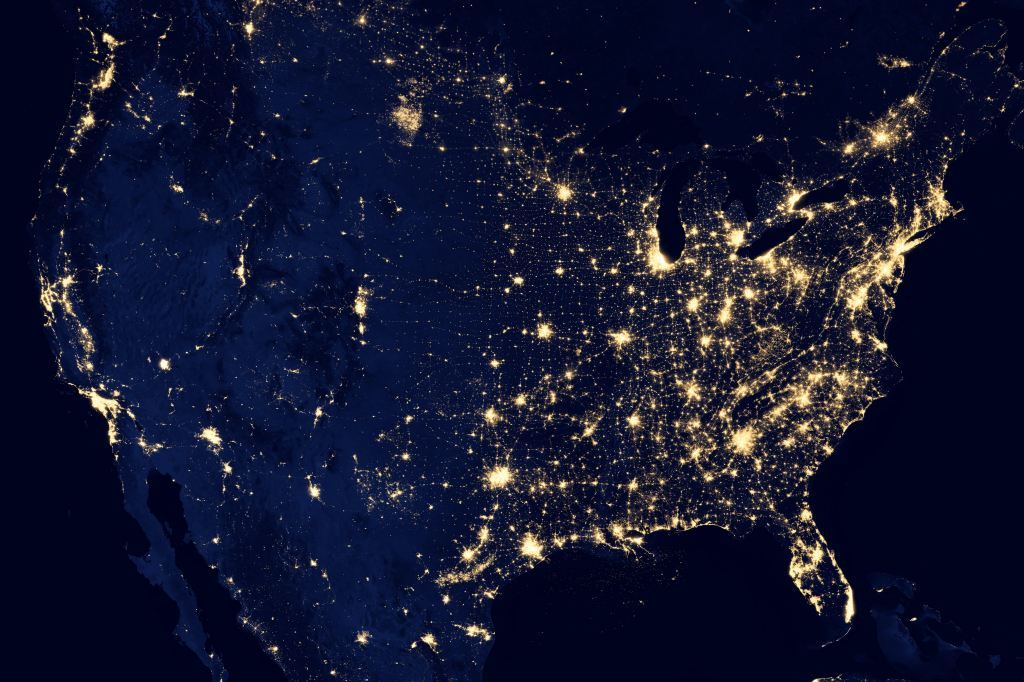
Photo by NASA
The big question is whats considered “progress”? Has our schools and education in America been progressing towards a brighter future? Well, that remains to be seen.
 Ethyn Bleu Blogs
Leave a comment